In powder processing, one confusion still comes up far too often even among experienced professionals:
𝗖𝗼𝗺𝗽𝗮𝗰𝘁𝗶𝗼𝗻 ≠ 𝗔𝗴𝗴𝗹𝗼𝗺𝗲𝗿𝗮𝘁𝗶𝗼𝗻
Both rely on similar equipment (twin counter-rotating rolls), but their purpose and their outcomes are fundamentally different.
🔍 𝗞𝗲𝘆 𝗱𝗶𝘀𝘁𝗶𝗻𝗰𝘁𝗶𝗼𝗻𝘀:
• 𝗢𝗯𝗷𝗲𝗰𝘁𝗶𝘃𝗲
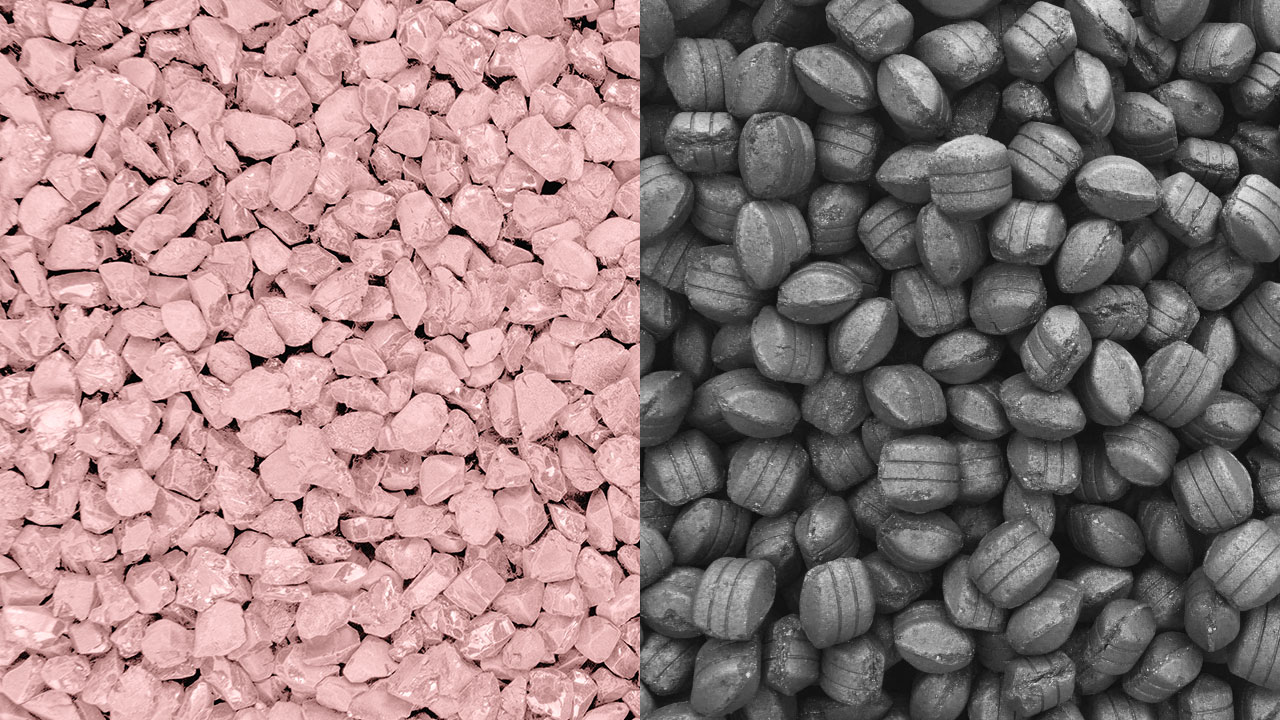
𝘊𝘰𝘮𝘱𝘢𝘤𝘵𝘪𝘰𝘯 densifies powder into a continuous sheet (flake).
𝘈𝘨𝘨𝘭𝘰𝘮𝘦𝘳𝘢𝘵𝘪𝘰𝘯 forms discrete, finished shapes (e.g. briquettes).
• 𝗗𝗼𝘄𝗻𝘀𝘁𝗿𝗲𝗮𝗺 𝗽𝗿𝗼𝗰𝗲𝘀𝘀𝗶𝗻𝗴
𝘊𝘰𝘮𝘱𝘢𝘤𝘵𝘪𝘰𝘯 requires crushing and screening to obtain granules.
Agglomeration delivers a finished product—no size reduction needed.
• 𝗣𝗿𝗼𝗱𝘂𝗰𝘁 𝘀𝘁𝗿𝘂𝗰𝘁𝘂𝗿𝗲
𝘊𝘰𝘮𝘱𝘢𝘤𝘵𝘦𝘥 flakes are dense and must be carefully broken.
𝘈𝘨𝘨𝘭𝘰𝘮𝘦𝘳𝘢𝘵𝘦𝘴 are formed directly to the desired size and shape.
• 𝗧𝗼𝗼𝗹𝗶𝗻𝗴
𝘊𝘰𝘮𝘱𝘢𝘤𝘵𝘪𝘰𝘯 uses usually smooth rolls.
𝘈𝘨𝘨𝘭𝘰𝘮𝘦𝘳𝘢𝘵𝘪𝘰𝘯 uses profiled rolls to create defined geometries.
⚙️ 𝗢𝗽𝗲𝗿𝗮𝘁𝗶𝗻𝗴 𝗰𝗼𝗻𝗱𝗶𝘁𝗶𝗼𝗻𝘀 𝗮𝗹𝘀𝗼 𝗱𝗶𝗳𝗳𝗲𝗿:
𝘊𝘰𝘮𝘱𝘢𝘤𝘵𝘪𝘰𝘯 demands higher specific forces and strict control of feed uniformity to ensure consistent density.
𝘈𝘨𝘨𝘭𝘰𝘮𝘦𝘳𝘢𝘵𝘪𝘰𝘯 relies more on die filling, binder/moisture control, and shape stability during forming and handling.
👉 Understanding this distinction is critical when designing or optimizing a powder processing line. Choosing the wrong approach can lead to inefficiencies, product inconsistency, or unnecessary complexity.
At Chronos Engineering, we help industrial players design, optimize, and troubleshoot processes involving roll compaction, agglomeration, and powder transformation.